Source waterproof loose makeup powder for Party Daily Wedding
Compare 30 waterproof loose makeup powder options from Guangdong, China, featuring mineral ingredients and oil-control effects. Buyers can review specifications like 6g to 20g sizes, OEM services, and certifications including MSDS and GMPC for party, daily, and wedding use.
Key considerations
Products List
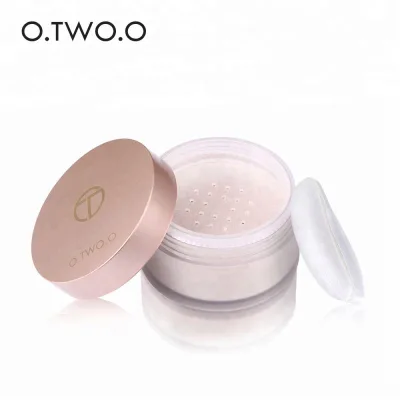


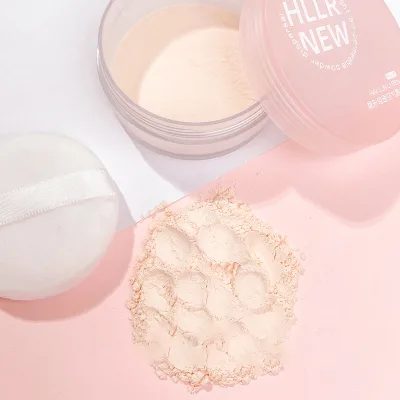


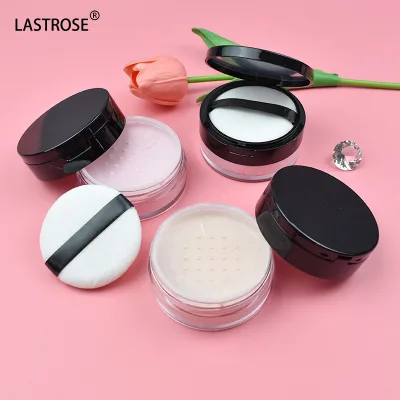


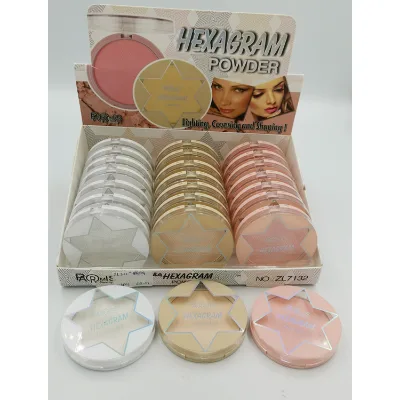


Comprehensive Sourcing Guide
Strategic Sourcing Guide for Waterproof Loose Makeup Powder
Procuring waterproof loose makeup powder requires a disciplined approach that balances aesthetic performance with rigorous supply chain verification. In the global cosmetics market, the demand for products that maintain integrity under humidity, sweat, and prolonged wear has elevated the importance of waterproof formulations. Buyers must navigate a landscape where product attributes are often observed rather than universally guaranteed across all listings. This guide outlines the essential technical, compliance, and commercial factors necessary for successful procurement, ensuring that the final selection aligns with both brand standards and regulatory requirements.
Technical Specifications and Formulation Attributes
The foundation of a successful procurement strategy lies in understanding the specific technical attributes of the product. For waterproof loose powder, the primary observation is the physical form, which is consistently identified as a fine powder designed for application over liquid or cream bases. The core functionality relies on the ingredient composition, with mineral-based ingredients frequently cited as a key component. These mineral formulations are often preferred for their ability to provide a natural finish while offering oil-control properties.
When evaluating product specifications, buyers should look for precise data points regarding weight and packaging dimensions. Observed standards in the market indicate varying product weights, ranging from 6g to 20g per unit. Specific model numbers such as UN-F3601, UN-F3623, and FF-JY-001 represent different configurations within the product line, each potentially carrying distinct weight standards like 20g, 8.5g, or 10g. The physical dimensions of the single package are also critical for logistics planning; a typical single package size is observed around 8x2.8x2.8 cm.
The feature set for these products is multifaceted. Beyond the primary waterproof claim, successful formulations often advertise long-lasting wear, oil control, and natural or brightening effects. Some listings also highlight additional benefits such as whitening, concealer capabilities, and transfer-proof performance. The color options are typically limited to standard shades like 01 and 02, though customization is often available. The shelf life is a critical technical parameter, with a standard duration of 3 years observed for these products. Understanding these specifications allows buyers to match the product to specific consumer needs, whether for daily wear, party makeup, or wedding applications.
Compliance, Certification, and Regulatory Standards
In the cosmetics industry, compliance is not merely a formality but a prerequisite for market access and consumer trust. When sourcing waterproof loose powder, verifying the certification status of the supplier is paramount. The supply chain data indicates that products may carry certifications such as MSDS (Material Safety Data Sheet), GMPC (Good Manufacturing Practice for Cosmetics), FDA (Food and Drug Administration), and GMP (Good Manufacturing Practice). These certifications suggest adherence to specific safety and manufacturing protocols, though buyers must verify that these documents are current and applicable to the specific batch being ordered.
The origin of the product is another critical compliance factor. A significant portion of the supply originates from Guangdong, China, a major hub for cosmetic manufacturing. Buyers must ensure that the "Place of Origin" matches the supplier's declared location to avoid discrepancies in customs clearance and regulatory labeling. Furthermore, the product standard, often listed as 20g or 10g depending on the model, must align with local labeling laws in the destination market.
Regulatory verification should extend beyond the product itself to the manufacturing process. The presence of OEM (Original Equipment Manufacturer) and ODM (Original Design Manufacturer) services indicates that suppliers are capable of customizing formulations and packaging. However, the availability of these services does not automatically guarantee compliance with international standards. Buyers should request documentation proving that the manufacturing facility adheres to the claimed standards, such as GMPC or GMP, before proceeding with large-scale orders.
Cost Drivers and Pricing Dynamics
The pricing structure for waterproof loose powder is influenced by several variables, including packaging, customization, and order volume. The observed price range in the market spans from $0.39 to $2.80 USD per unit. This wide variance suggests that factors such as ingredient quality, brand positioning, and packaging complexity play significant roles in the final cost. For instance, products with private labeling capabilities or specific model numbers like UN-F3607 may command different price points compared to standard off-the-shelf items.
Order volume is a primary driver of cost efficiency. The Minimum Order Quantity (MOQ) varies significantly, with observed ranges from 12 pieces to 6,000 pieces. A lower MOQ of 12 pieces allows for smaller trial orders, which is beneficial for new brands testing the market. Conversely, larger orders often unlock better unit economics but require a higher upfront capital commitment. Buyers must calculate the total cost of ownership, including shipping and potential duties, rather than focusing solely on the unit price.
Customization is another cost factor. While OEM and ODM services are welcomed, they often incur additional costs for mold development, formula adjustments, and custom packaging design. The "Sample Provided" attribute indicates that buyers can request samples before committing to bulk orders, which helps in validating the price-to-quality ratio. However, the cost of samples and the lead time for their production should be factored into the procurement timeline.
Typical Applications and Market Positioning
Waterproof loose powder serves a diverse range of applications, making it a versatile product for various market segments. The primary usage is to set makeup, ensuring that foundation and concealer remain in place throughout the day. The product is specifically designed for face base makeup, offering a natural finish that is suitable for daily wear, parties, and weddings. The oil-control and brightening effects make it particularly attractive for consumers in humid climates or those with oily skin types.
The versatility of the product is further enhanced by its suitability for different occasions. Whether for a professional setting requiring a natural look or a high-energy event demanding long-lasting coverage, the product's features like "transfer-proof" and "full coverage" address these needs. The keyword "Private Label Loose Powder" indicates a strong potential for brands looking to create their own identity in the market. This positioning allows retailers and brands to differentiate themselves by offering unique formulations or packaging that cater to specific consumer preferences.
Supplier Evaluation and Selection Criteria
Selecting the right supplier requires a thorough evaluation of their capabilities and reliability. The presence of specific model numbers and product standards suggests a structured manufacturing process, but buyers must verify the supplier's ability to maintain consistency across batches. Key evaluation criteria include the supplier's experience with OEM/ODM projects, their response time to inquiries, and their track record with international shipments.
The shipping method is a critical operational factor. Suppliers offering DHL or FedEx services provide reliable and tracked delivery options, which are essential for maintaining supply chain visibility. However, buyers should also inquire about alternative shipping methods and the associated costs, as these can impact the overall procurement budget. The "Sample Provided" feature is a positive indicator of supplier confidence, but it is essential to assess the quality of the sample against the bulk product specifications.
Additionally, the supplier's location in Guangdong, China, should be considered in the context of logistics. While this region offers access to a robust supply chain, buyers should verify the supplier's proximity to ports and their experience with export documentation. A supplier with a strong track record in handling international orders is more likely to navigate customs and regulatory hurdles efficiently.
Quality Control and Long-Term Procurement Considerations
Ensuring consistent quality is the cornerstone of long-term procurement success. Buyers should implement a robust quality control (QC) protocol that includes pre-shipment inspections and post-delivery testing. The observed shelf life of 3 years provides a benchmark for product stability, but buyers must verify that the packaging protects the powder from moisture and contamination during transit and storage.
Long-term procurement considerations also involve the scalability of the supply chain. As demand grows, the supplier must be able to increase production without compromising quality. The availability of customization options allows for product evolution, enabling brands to adapt to changing market trends. However, buyers should establish clear communication channels with the supplier to ensure that any changes in formulation or packaging are documented and approved.
Finally, buyers should consider the environmental and ethical implications of their sourcing decisions. While the provided data does not explicitly mention sustainability certifications, the trend toward eco-friendly packaging and ethical sourcing is growing. Buyers should inquire about the supplier's practices regarding packaging materials and ingredient sourcing to align with corporate social responsibility goals. By maintaining a focus on quality, compliance, and scalability, buyers can build a resilient supply chain for waterproof loose makeup powder that supports long-term business growth.
Summary of Key Product Parameters
To facilitate quick reference during the sourcing process, the following table summarizes the key parameters observed in the market for waterproof loose makeup powder.
| Parameter | Observed Value / Range | Notes |
|---|---|---|
| Product Form | Powder | Loose powder format |
| Key Ingredients | Mineral | Often cited as primary ingredient |
| Primary Features | Waterproof, Oil-Control, Natural | Long-lasting and transfer-proof |
| Shelf Life | 3 Years | Standard duration observed |
| Weight Standards | 6g, 8.5g, 10g, 20g | Varies by model number |
| Packaging | Box | Single product in one box |
| Certifications | MSDS, GMPC, FDA, GMP | Verify current status |
| Origin | Guangdong, China | Primary manufacturing hub |
| MOQ Range | 12 - 6,000 PCS | Depends on customization |
| Price Range | $0.39 - $2.80 USD | Excludes shipping and duties |
| Shipping | DHL, FedEx | Standard logistics options |
| Customization | Available | OEM/ODM services welcomed |
This comprehensive overview provides a structured framework for buyers to evaluate potential suppliers and products. By adhering to these guidelines and verifying all claims against actual documentation, buyers can mitigate risks and secure a reliable supply of high-quality waterproof loose makeup powder.
FAQs
What certifications do waterproof loose makeup powder products have?
Products often carry certifications such as MSDS, GMPC, FDA, and GMP. Buyers must verify that these documents are current and applicable to the specific batch being ordered before proceeding with large-scale orders.
How long is the shelf life of waterproof loose makeup powder?
The standard shelf life observed for these products is 3 years. This duration provides a benchmark for product stability, but packaging must protect the powder from moisture and contamination during transit and storage.
Can buyers customize the packaging and formulation of this powder?
Yes, OEM and ODM services are welcomed for customization of formulations and packaging. However, these services often incur additional costs for mold development and formula adjustments compared to standard off-the-shelf items.
What is the typical minimum order quantity for loose powder?
The minimum order quantity varies significantly, ranging from 12 pieces to 6,000 pieces depending on the supplier. A lower MOQ allows for smaller trial orders, while larger orders often unlock better unit economics.
Where are waterproof loose makeup powder products typically manufactured?
A significant portion of the supply originates from Guangdong, China. Buyers must ensure that the declared place of origin matches the supplier's location to avoid discrepancies in customs clearance and regulatory labeling.
What are the standard weight specifications for loose powder units?
Product weights vary by model, with observed standards ranging from 6g to 20g per unit. Specific model numbers represent different configurations, each potentially carrying distinct weight standards like 20g or 8.5g.